A page for one car, and a link you send yourself.
WheelSheet is not a place buyers browse. It makes the page your advert points at, the page you text to the neighbor who asked, the page behind the QR code in the window. About five minutes from your driveway to that link.
What it is
The difference between a listing and a page.
A classifieds listing lives inside somebody else's site, beside the cars competing with yours, and it ends when the advert ends. This is a page of your own that you keep, at an address that never changes.
You send the link
Nobody browses to it. It goes where your buyers already are: a text message, a group, the advert you already pay for, the window of the car.
One car, everything about it
Thirteen facts, up to ten photographs, what you have replaced and when, and what is not perfect. A buyer arrives knowing, or does not arrive.
It comes down when you say
Ten days free, and it goes the day you are finished. Extending is $9.90 for 30 days, and nothing renews by itself.
What this is not
Not a marketplace, and not on the way to becoming one.
There is no search here, no list of cars, no categories and no featured slots. A page is reached by the link its seller sent. That is the design, not a stage we have not got past yet.
Nobody browses to your car
There is no directory, no category page and no search box. Your page reaches the people you send it to, and there is no list here for anyone else to work through.
Nothing competes beside it
No other cars on the page, no adverts, no similar listings underneath. Somebody reading it is reading about one car: yours.
No commission and no bidding for attention
We charge for a page staying up, and for nothing else. Nobody can pay us to appear above you, because there is no above.
The buyer writes to you
No lead forms, no middleman, and nothing about you sold to anybody. A buyer taps, sees how to reach you, and the two of you take it from there.
A classifieds site earns when your car is one of a thousand and you pay to stand out. We do one thing: give your car a page that looks worth what you are asking. Where that page goes is yours.
Making the page
5 screens, about five minutes.
You need the VIN, a few good photographs and the things every owner already knows about their own car. Nothing is published until you press the button on the last screen, and a half finished page can be saved and picked up tomorrow.
- 01The VIN
- 02The car
- 03Condition and price
- 04Photos and your words
- 05Publish
Type the VIN and the facts fill themselves in
Seventeen characters from the driver’s door jamb or the bottom of the windshield. The year, make, model, trim, engine, transmission, body style and drive type come back from the vehicle database the National Highway Traffic Safety Administration publishes, so a buyer sees the specification the manufacturer reported rather than the one somebody remembered.
Anything it gets wrong, you correct before publishing, because it is your car and the database is only a starting point. If you would rather not show the VIN itself, untick the box beside it: it comes off the page and everything it decoded stays.
EXAMPLE0000000001
What comes back, and you correct any of it. This one is the car we invented for the example page, so the number is a placeholder rather than a real VIN.
- Year
- 2019
- Make
- Alder
- Model
- Kestrel
- Trim
- XT AWD
- Engine
- 2.5 L 4-cyl
- Transmission
- Automatic
- Body
- SUV
- Drive
- All-wheel drive
Add photographs, a price, and what only you know
Photographs go straight from your phone, up to 10. Then the part no database has: mileage, whether the title is clean and in your hand, how many owners, what you have replaced and when, and what you want for the car.
Your description stays in your words. We do not rewrite it, shorten it or run it through anything, and there are two buttons for bold text and a list if you want them. Two things are removed: web addresses, because a page about your car carries no links off it, and the location your phone writes into a photograph taken on your drive.
 First
First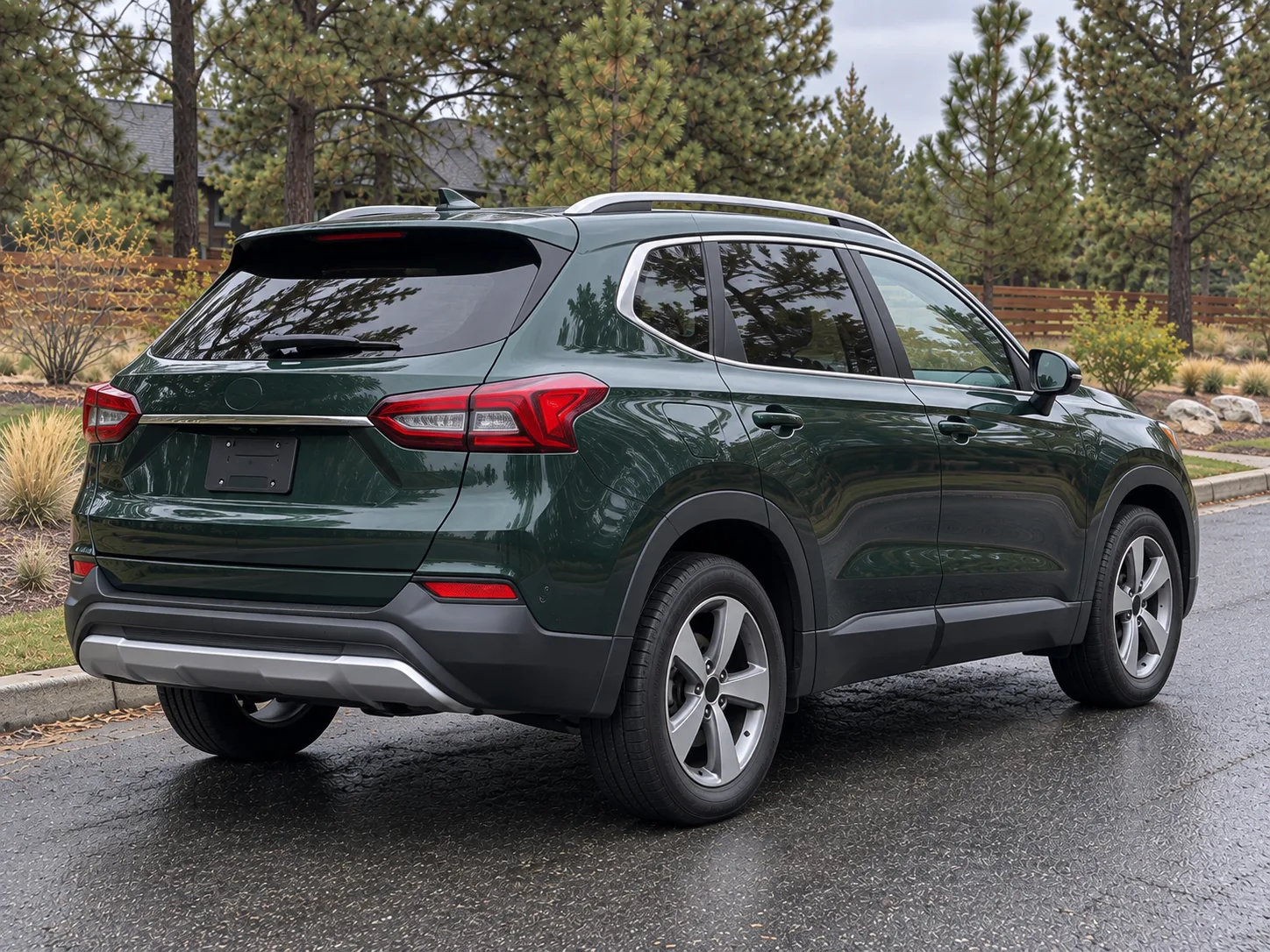
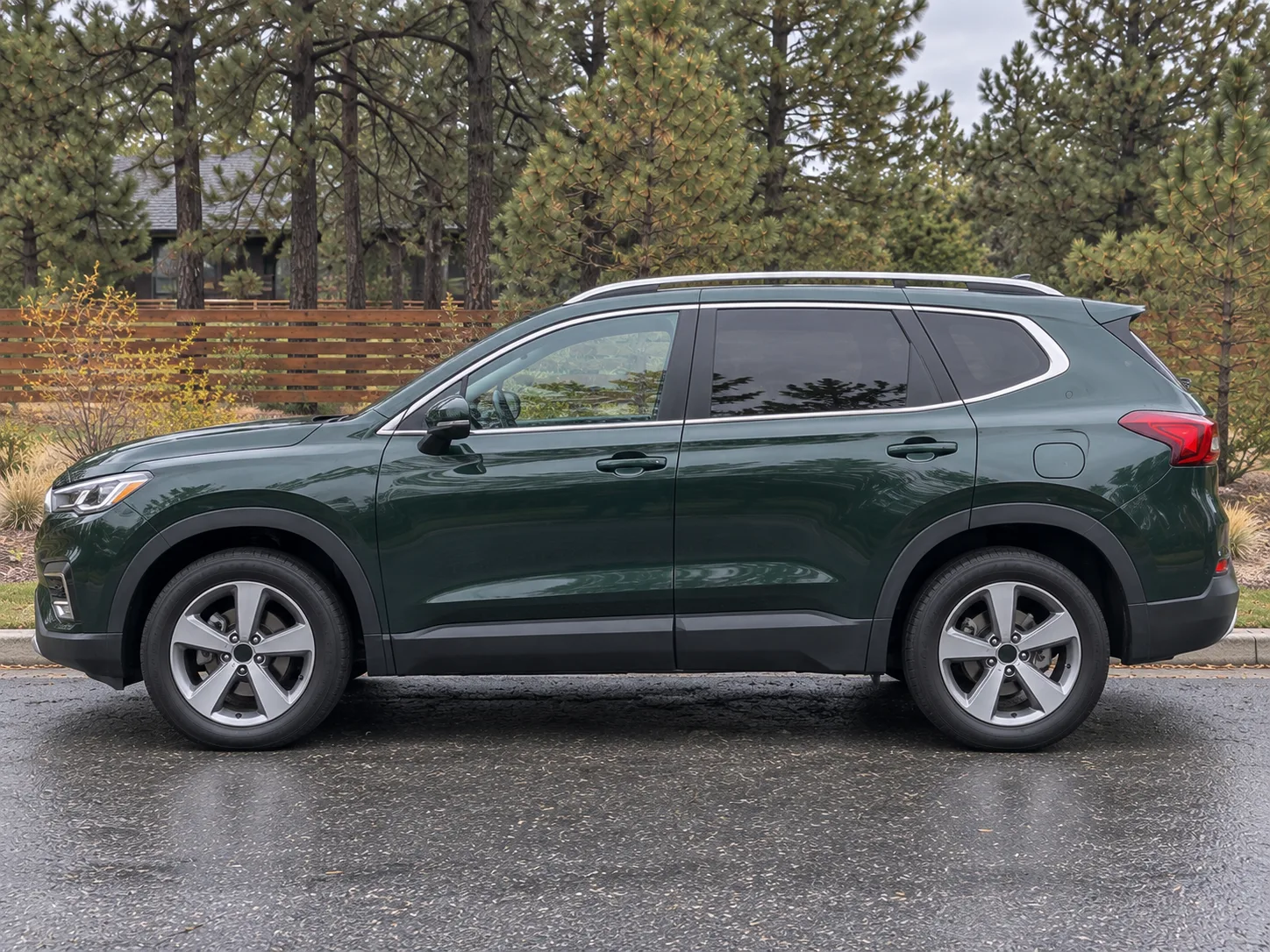
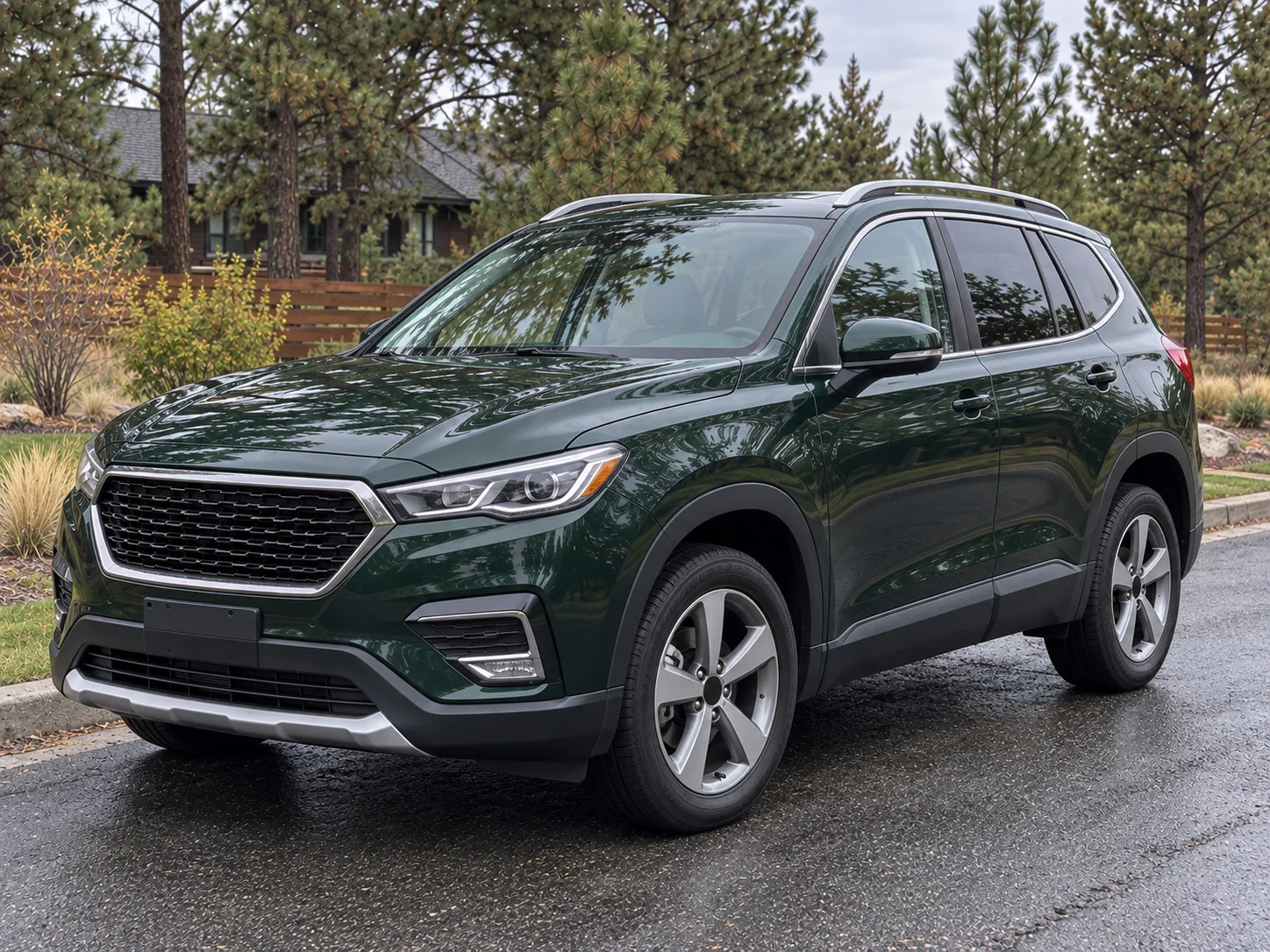
The first one is what a buyer sees in a text message. Drag order with the arrows.
Send the link wherever the buyers are
You get a short address and a preview card that shows the car, the price and the mileage when the link lands in a text message. Send it to the neighbor who asked, post it in a local group, or put it under the advert you already pay for.
Your phone number is not in the page. A buyer taps to reveal it, which keeps it out of reach of anything that reads pages looking for numbers to call.
How to be paid without losing the car is worth ten minutes before the first person turns up.
2019 Alder Kestrel
$18,450 · 61,400 mi
wheelsheet.com
And one for the car window
A PDF you print, sized for US Letter, with the car, the price and a QR code that opens the page. Somebody walking past the parked car scans it from the pavement and sees the photographs and the mileage before they ever ring you.
Visits that arrive that way are counted on their own, so you can tell whether the sign is doing anything.
For sale by owner
2019 Alder Kestrel
$18,450
It works: scan it and the example page opens.
Watch what actually happens, then decide
Your panel shows two numbers: how many people have looked at the page, and how many of them arrived from the sign in the car window. Two, because a screen full of numbers is not the same as knowing something.
What is not in that first number matters as much as what is. Search engine crawlers and AI assistants are recorded separately and never added in, and your own visits are left out altogether. A crawler folded into the count would flatter it several times over, and a number that flatters you is no use when you are deciding whether the price is wrong.
128
People
14
From the QR sign
An example panel. Crawlers, AI assistants and your own visits are counted apart and left out of both numbers.
When you are finished, the page comes down the same day
Take the page down and it goes that day, photographs and all. Anyone opening a link you sent three weeks ago sees that the car is no longer for sale, rather than a page that pretends otherwise and a phone that rings for another month.
It asks what happened first, and a page coming down without a sale is a perfectly good answer: we would rather know what got in the way than count a sale that never happened. Nothing you write there is published anywhere.
If it has not sold by day 10, we email you three days before and again the day before. Do nothing and the page quietly stops being listed while staying readable for a while, in case you come back. Extending costs $9.90 per 30 days.
- I sold itWhoever the buyer was and wherever they came from.
- I did not sell itTaking the page down without a sale.
- I am keeping the carChanged my mind about selling.
Whichever you pick, the page and its photographs go the same day.
What you get
Everything on every page, at no extra anything.
- The VIN decoded
- Eight facts from the federal vehicle database, which you correct before anybody sees them.
- Photographs
- Up to 10, resized in your browser, with the location your phone wrote into them stripped.
- A link that previews
- Send it and the car, the price and the mileage appear in the message.
- A window sign
- A PDF with a QR code, sized for US Letter, for the inside of the glass.
- Two honest numbers
- People, and how many of them came from the sign. Crawlers are never folded in.
- An address that never moves
- Correct anything, as often as you like. The link you sent still works.
- A page saved half made
- Start today, photograph the car tomorrow, come back to where you were.
- Contact behind a tap
- Your number is not in the page for anything that reads pages looking for numbers.
Frequently asked questions
Do I have to publish the VIN?
No. There is a tick box beside it when you make the page, and another on the edit screen afterwards: untick it and the VIN comes off the page while every fact decoded from it stays. Most sellers leave it on, because a buyer who can run a history report before driving over is a buyer who turns up ready to buy.
Will photographs from an iPhone work?
Yes. Photographs are resized in your browser before they are sent, so a slow connection in a driveway is not a problem, and the location written into a photograph by your phone is stripped before the file is stored.
Can I change the price after I publish?
Yes, and the address never changes when you do. That matters more than it sounds: the link is already in text messages and under a QR code taped inside the window, so a page that moved when you corrected the mileage would be a page that broke.
Who can see my phone number?
Only somebody who taps to reveal it. It is not in the page a search engine reads, which keeps it away from anything collecting numbers to call.
Do I need an account before I start?
No, and there is nothing to sign up for. You give an email address on the last screen, and that address becomes the account the moment the page is published. No password to choose, no confirmation to wait for, and nothing to cancel later.
Why is there no password?
Somebody who sells a car every few years forgets a password every time, which makes the reset email the real way in, only slower. So the email is the way in. You type your address, we send a link, you open it. That link lasts fifteen minutes and works once.
How do I get back to my page later?
Sign in with the same address and your cars are there. Signing in lasts ninety days on that phone or laptop, so most sellers never do it twice, and the emails we send about your page link straight to the screen that manages it.
Do I have to be signed in to change or take down my page?
Yes. The emails about your page link straight to the screen that manages it, and opening one asks you to sign in first, then puts you exactly where you were going. A link that managed a listing on its own would work for anybody who received it, and email gets forwarded, sits in shared inboxes and stays in browser history.
Is the address I sign in with shown to buyers?
Never. The contact details a buyer sees are separate fields you fill in yourself, and you can put a different email there, or only a phone number. One of the two is required, because a page nobody can be reached through is not a listing.
What does the window sign do?
It is a printable card with a QR code and the sheet number. Somebody walking past the parked car scans it and lands on the page, and that visit is counted separately, so you can see whether the sign is working.
Ready when you are.
The first 10 days cost nothing and no card is asked for.